PAINTINGS / BILDER

La pittura del Lusetti ha un percorso autonomo, che parte, come per tutti, o quasi, i novecentisti, dal figurato per giungere all’astratto.
Anche se siamo nel nuovo millennio, novecentista non vuole essere un dispregiativo, semmai un onore alla carriera, di chi si è tenuto alla larga da estremismi che si sono poi rivelati falliti, tanto da essere rivenduti a peso.
Al contrario il Lusetti ci offre un panorama vasto ed espressivo, di cui si può citare ad esempio gli alberi da lui dipinti; esseri davvero vivi, immobili nella realtà. Ma anche nella necessaria immobilità della tela, ma parlanti, quasi, della necessità dell’ossigeno che ci offrono.
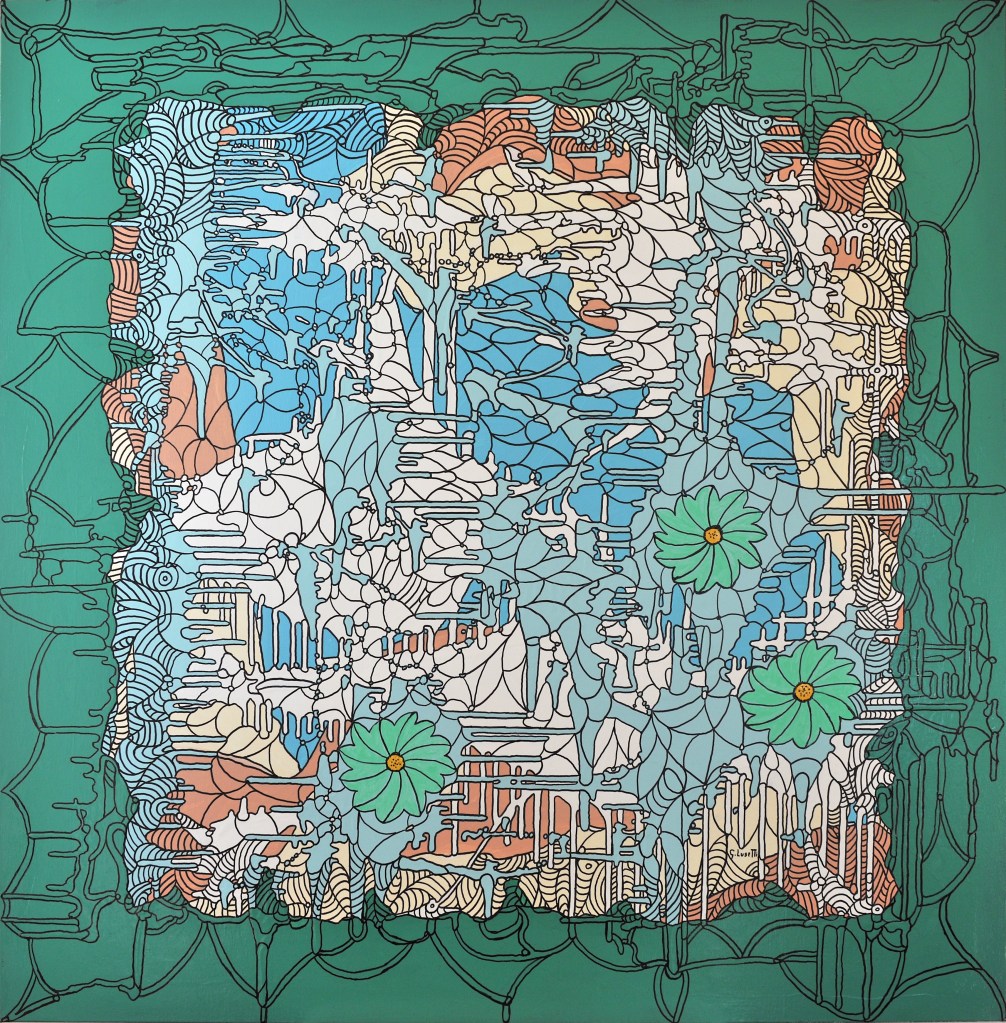
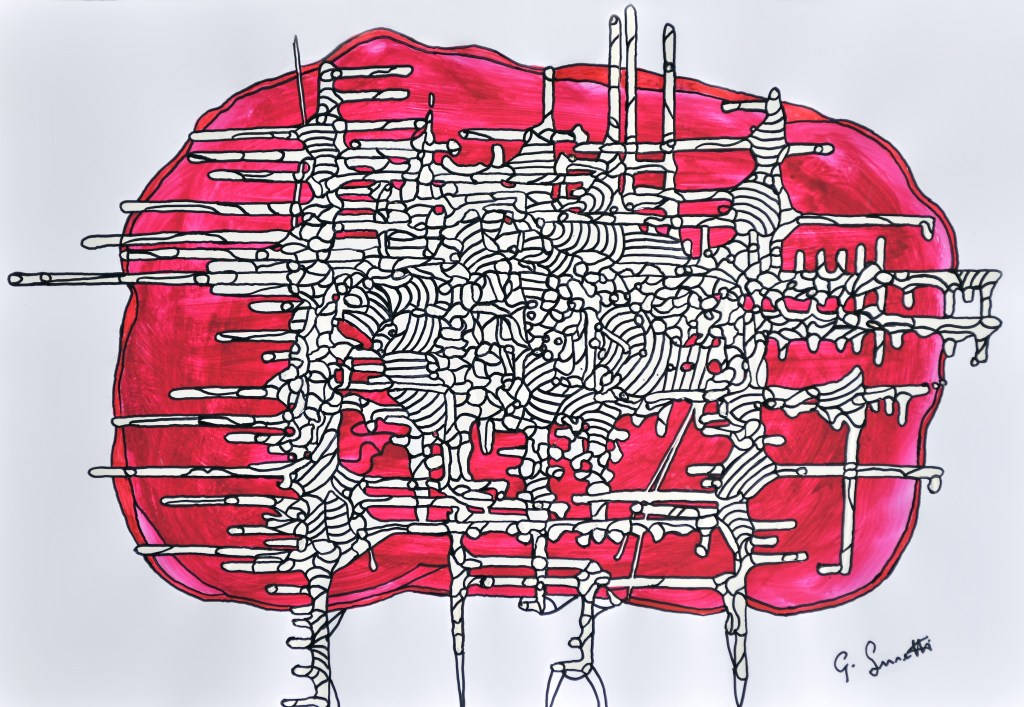
L’ultima attività del Lusetti consiste nella ricapitolazione del colore in quadri astratti dalle caratteristiche davvero singolari. Se in Kandinskij troviamo degli astratti che sembrano oscillare, in una realtà che rimanda a un’altra, secondo il suo scritto “Lo spirituale nell’arte”, in Lusetti invece tutto è categorico, ricordando più una gerarchia di forme presunte, generate dai colori, di cui la materialità e lo spessore inducono comunque, quasi fosse destino all’origine dell’astratto, a un richiamo metaforico ad altre realtà.
Del resto, Pollock si ispirò ai nativi americani, così intrisi, nella loro cultura, di sovraessenzialità. Così in Lusetti che, invecchiando solo nel fisico, ma gagliardo nell’animo, sembra volersi freneticamente approssimare a realtà diverse, che solo torrenti di colori possono attraversare nella tela che riassume bene l’anima dell’artista, tanto che questi astratti non necessitano nemmeno, coerentemente, di cornice; come appunto l’anima.
Claudio Barna


Lusetti’s painting follows an independent path. His painting starts with figurative art, as it is the case with almost all twentieth-century painters, and then it becomes abstract art. Even if we are in the new millennium, the expression “twentieth-century artist” doesn’t mean to be disparaging, rather an honor for the careers of those artists who stayed far from extremisms. Extremisms that often failed. On the contrary, Lusetti offers a vast and expressive panorama, amongst which we can mention, for example, the trees he painted; truly living beings, immobile in reality. But also in the necessary immobility of the canvas; talking trees, almost of the need of oxygen that they provide us with.
Lusetti’s latest activity consists in the recapitulation of color in abstract paintings with truly unique characteristics. In Kandinsky we find abstract paintings that seem to oscillate, in a reality that sends to another reality, in accordance with his writing “The spiritual in art”; in Lusetti’s paintings, however, everything is categorical; his paintings are reminiscent of a hierarchy of presumed forms, generated by colors, whose materiality and thickness lead, still, (as if it was the destiny at the origin of the abstract) to a metaphorical recall to other realities. Moreover, Pollock was inspired by Native Americans, so steeped in their culture of over-essentiality. The same happens with Lusetti, who only ages in the body, but remains vigorous and lively in the soul, as if he wanted to approach different realities, that only torrents of colors can cross in the canvas, which sums up the artist’s soul well; abstract paintings that don’t require a frame; just like the soul.
Claudio Barna

Lusettis Malerei hat einen selbstständigen Weg. Seine Malerei beginnt, wie für fast alle Maler des 20. Jahrhunderts der Fall ist, mit der figurativen Kunst und gelangt zur abstrakten Kunst. Selbst wenn wir uns im neuen Jahrtausend befinden, möchte der Ausdruck “Künstler des zwanzigsten Jahrhunderts” nicht abfällig sein; wenn überhaupt, eine Ehre für die Karrieren derer, die weit von Extremismen entfernt waren. Extremismen, die oft versagt haben.
Im Gegenteil, Lusetti bietet uns ein weites und ausdrucksstarkes Panorama, wovon wir zum Beispiel die Bäume erwähnen können, die er gemalt hat; wahrhaft lebende Wesen, unbeweglich in der Realität. Aber auch in der notwendigen Unbeweglichkeit der Leinwand; sprechende Bäume, über den Bedarf an Sauerstoff, den sie uns bieten.
Lusettis letzte Tätigkeit besteht in der Rekapitulation von Farben in abstrakten Gemälden mit wirklich einzigartigen Eigenschaften. In Kandinsky finden wir abstrakte Gemälde, die schwingen scheinen, in einer Realität, die sich auf eine andere bezieht, gemäß seiner Schrift “Das Geistige in der Kunst”. In Lusetti ist stattdessen alles kategorisch; Seine Bilder erinnern an eine Hierarchie vermuteter Formen, die durch Farben erzeugt werden, deren Materialität und Dicke jedoch (als wäre es das Schicksal am Ursprung des Abstrakten) zu einer metaphorischen Bezugnahme an andere Realitäten führen.
Darüber hinaus wurde Pollock von amerikanischen Ureinwohnern inspiriert, die in ihrer Kultur der Über-Wesentlichkeit so tief verwurzelt waren. Dasselbe passiert in Lusetti, der nur im Körper altert, aber in der Seele kräftig und lebendig bleibt, als ob er sich verschiedenen Realitäten hektisch annähern wollte: Realitäten, die nur Ströme von Farben auf der Leinwand, welche die Seele des Künstlers gut zusammenfasst, kreuzen können; abstrakte Gemälde, die keinen Rahmen benötigen; genau wie die Seele.
Claudio Barna
 Giuseppe Lusetti