SCULPTURES / SKULPTUREN

“La scultura di Giuseppe Lusetti risente di tutta quell’abilità della mano che Leonardo rimproverava allo scultore, e che invece Michelangelo vantava. Seguace di ambedue, si potrebbe dire, il Lusetti, tanto però da non trasformare la pittura in scultura o viceversa, come i sommi summenzionati, ma lasciandogliene la peculiarità.
Massima, dunque, l’abilità della mano, ma anche il senso della fatica, tanto che lo scultore Lusetti trasforma il senso del quotidiano, e quindi del lavoro, in arte.
Quotidiano, come un sasso che intravvediamo e che solo lo scultore vede realmente, sì da estrarne la forza, la potenza, la dignità della montagna.
La scultura del Lusetti è quindi un rendere commosso del figlio della natura. E ciò vale non solo per la celeberrima “Catena”, assurta agli onori della Biennale di Venezia, dopo essere entrata nel Guinness dei Primati.
Se per quest’ultimo vale la Performance, per l’Expo veneziano è la forza metaforica dell’arte che più che incatenare, unisce.”
Claudio Barna
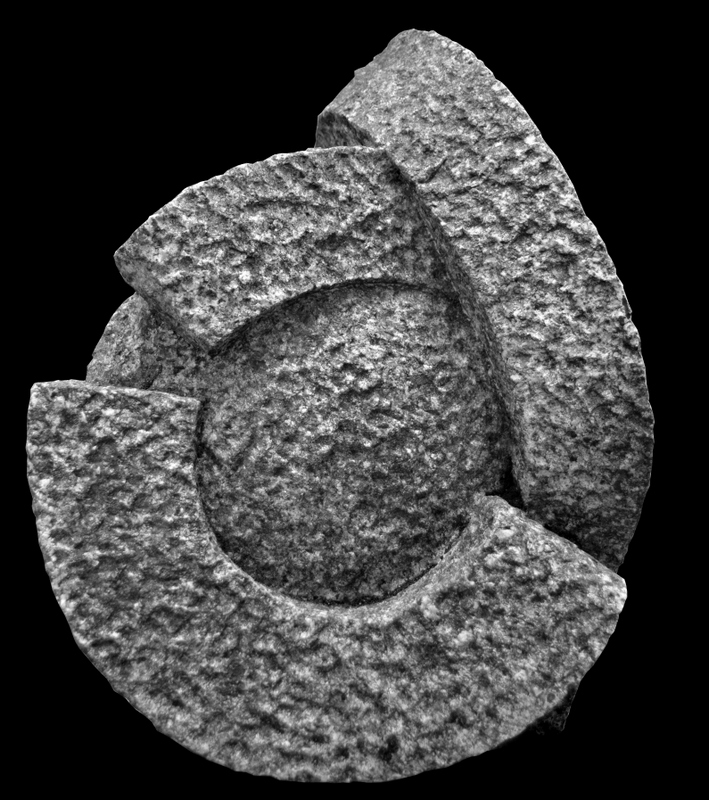
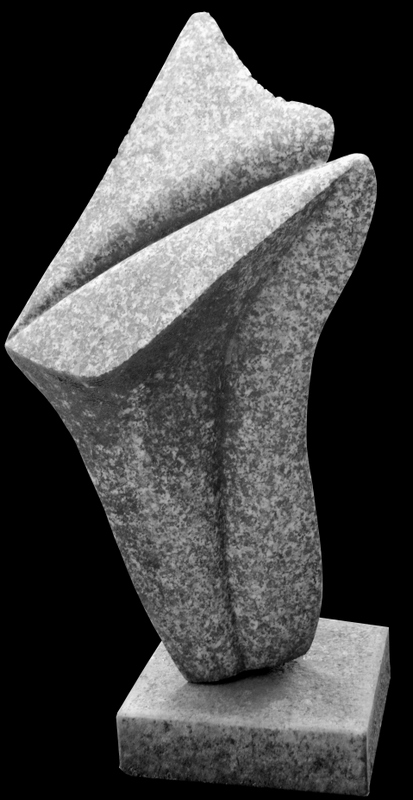
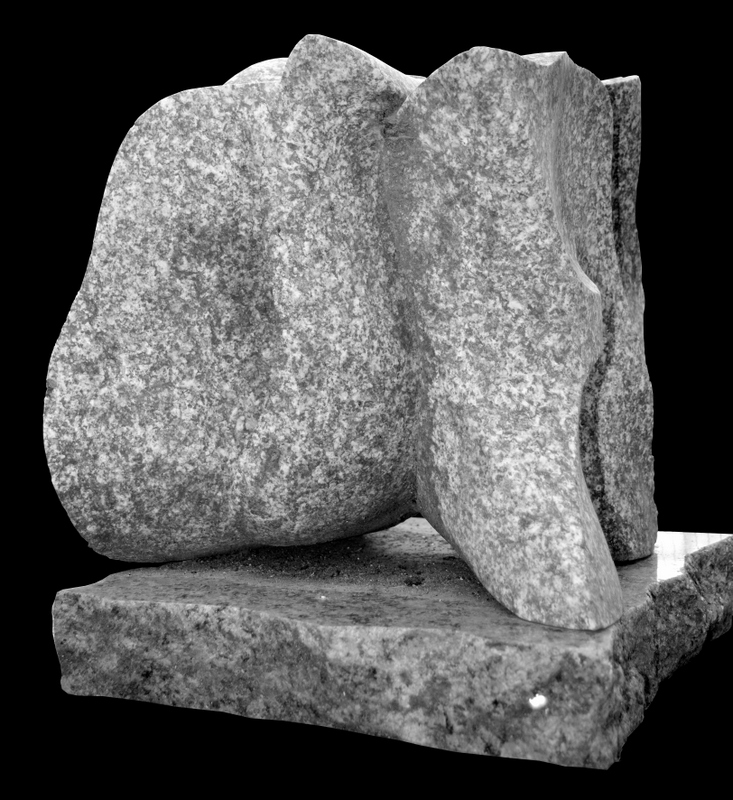
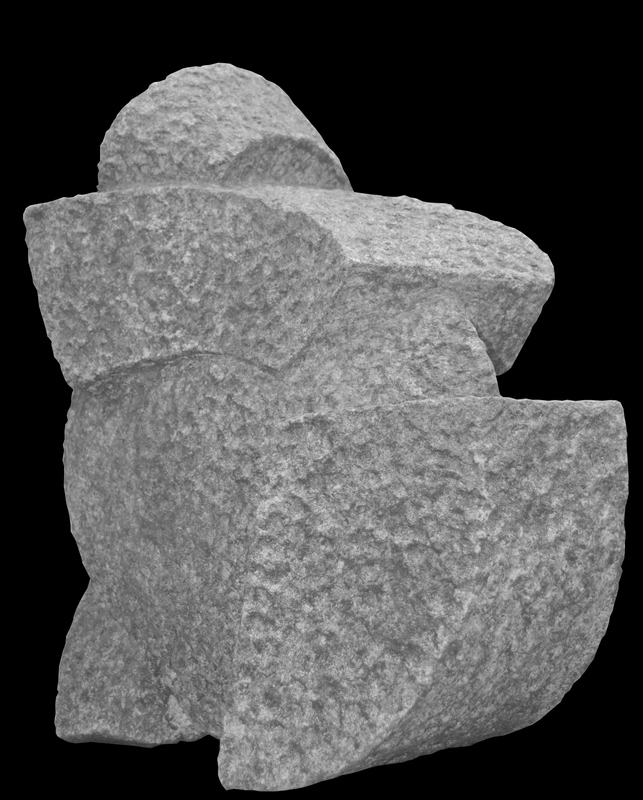
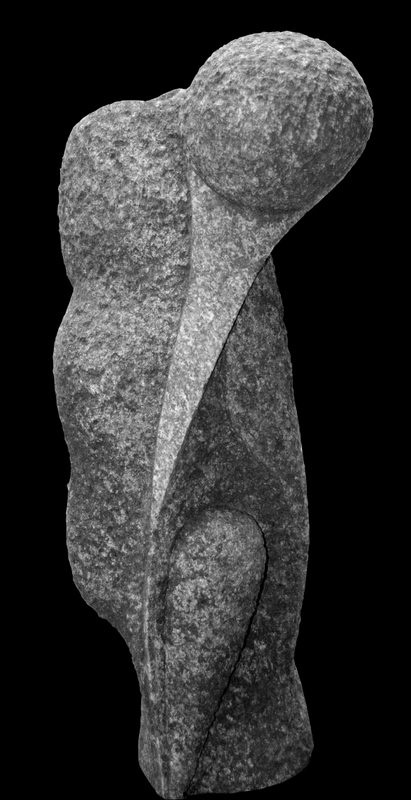
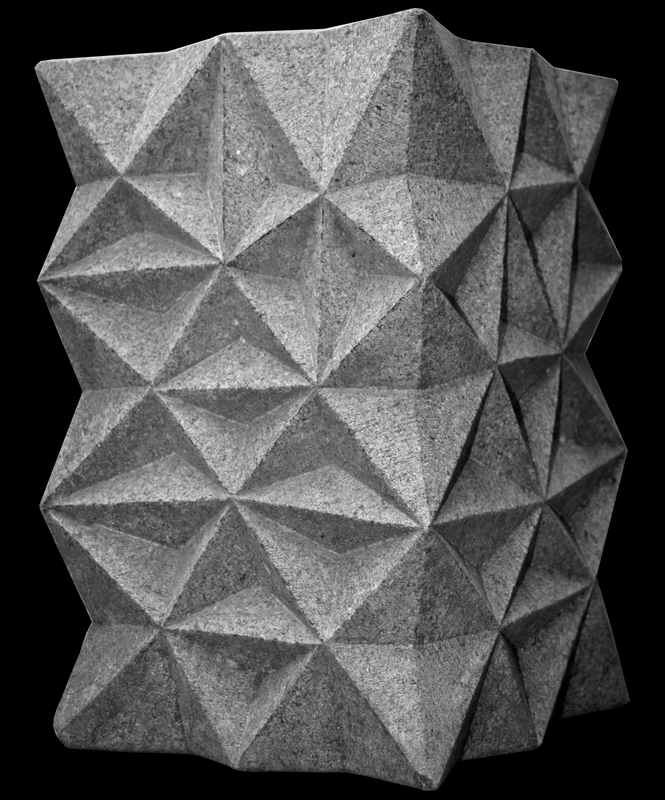
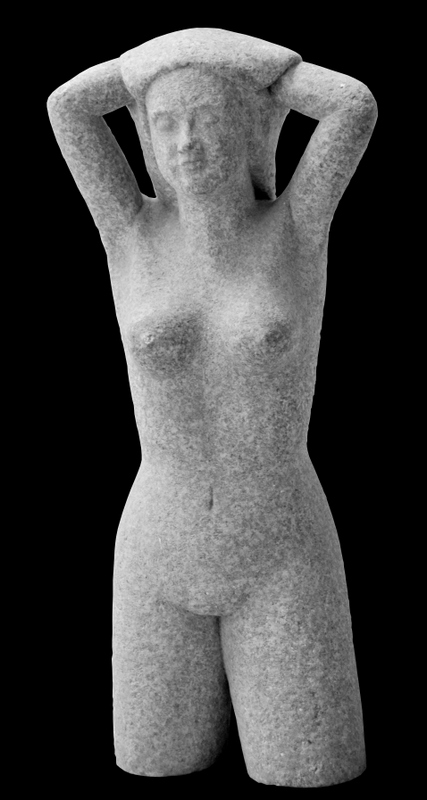
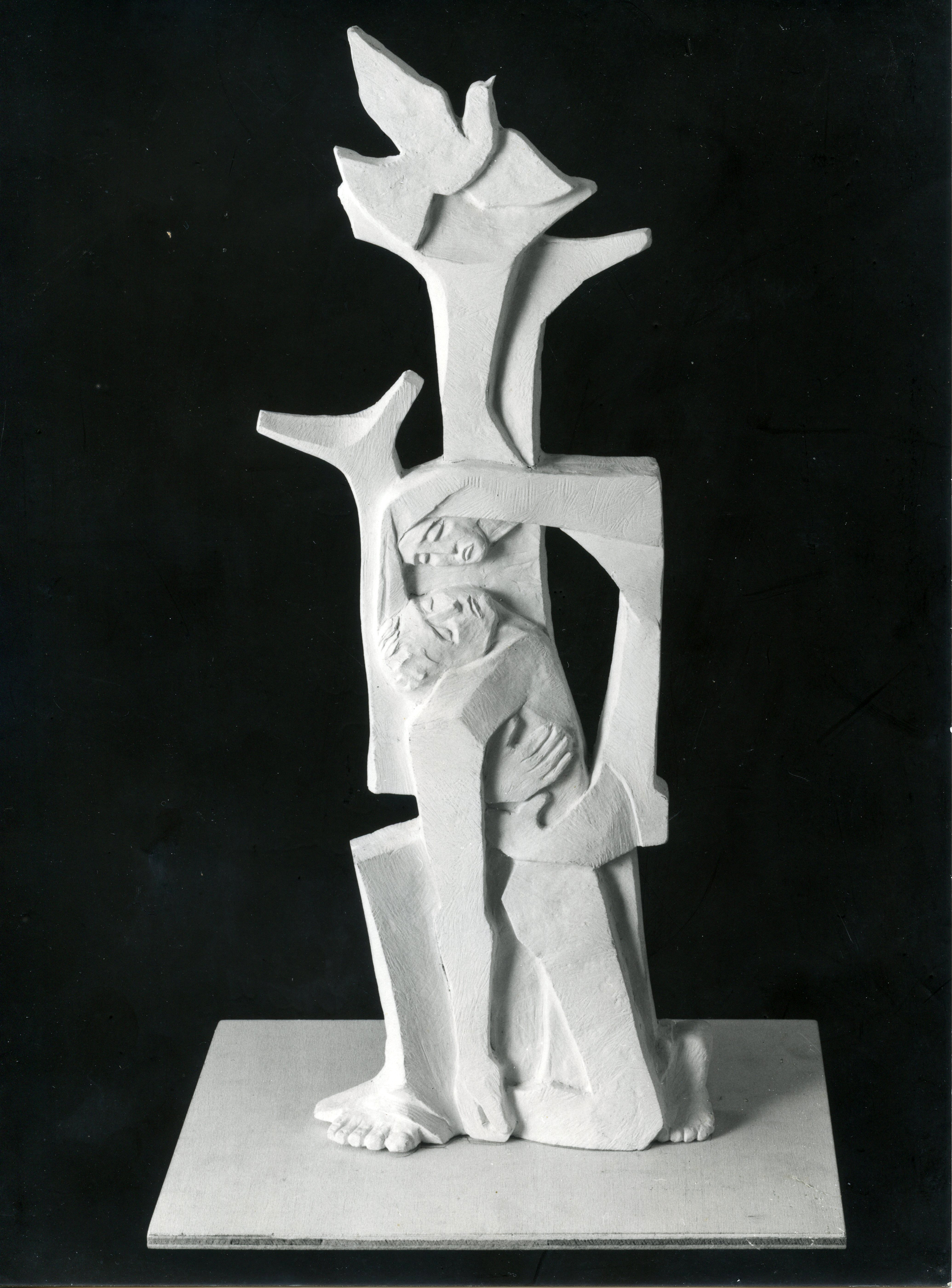
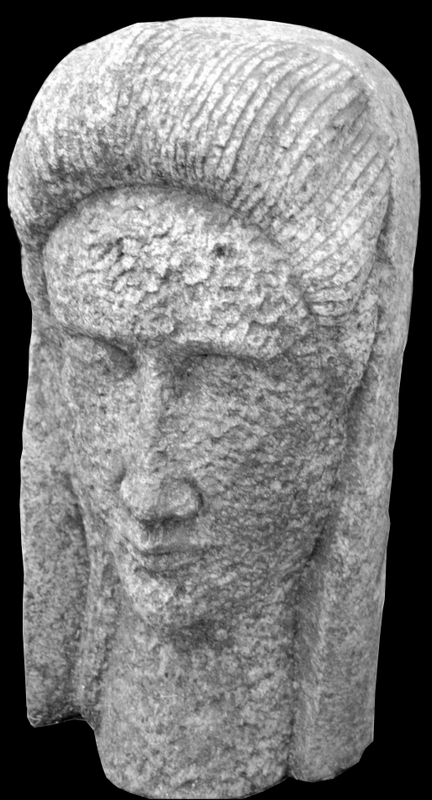
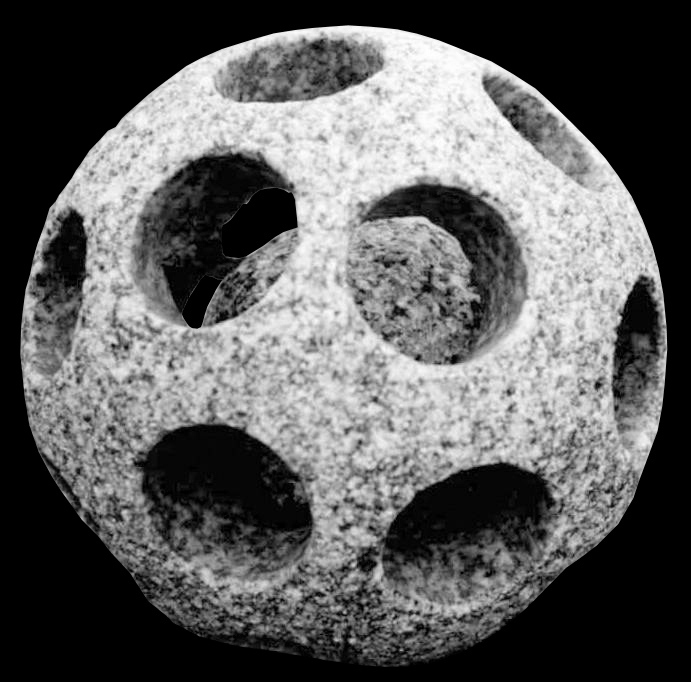
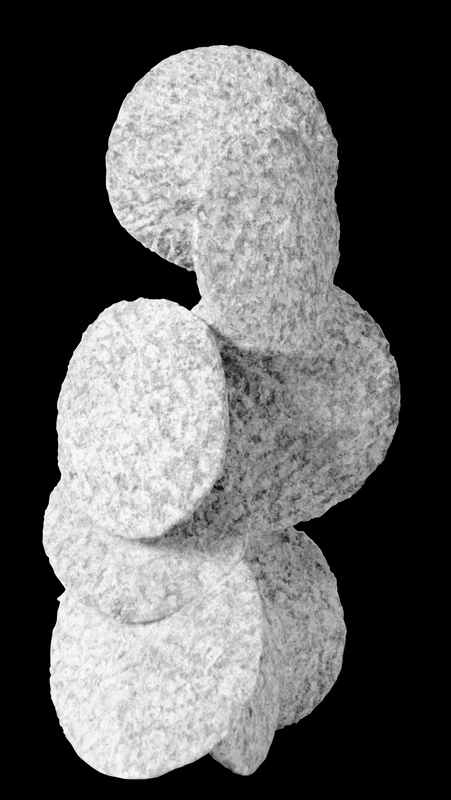
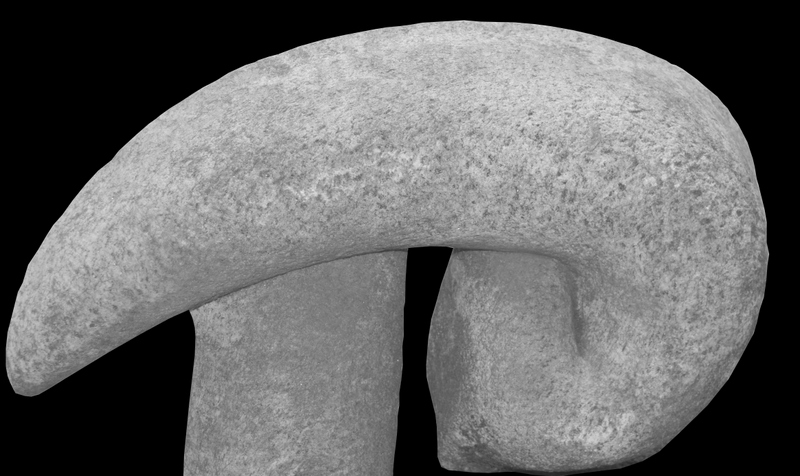

Giuseppe Lusetti’s sculpture has that ability of the hand that Leonardo reproached sculptors with, and that Michelangelo, on the contrary, boasted. A follower of both, we could say that Lusetti doesn’t transform painting into sculpture or vice versa, like the outstanding artists mentioned above, but he leaves them both with their own peculiarity. Thus, the skill of the hand is exeptional, but also the sense of effort, to the point that the sculptor Lusetti transforms the sense of day-to-day living, and hence, work, into art. Daily, like a stone that we glimpse and that only the sculptor really sees; only he can extract the strength, power and dignity of the mountain. Lusetti’s sculpture is, therefore, a touched return of the son of nature, and this can be applied not only to his famous “stone-chain”, which was exhibited to the honors of the Venice Biennale, after being awarded in the Guinness Book of Records. If Performance counts for the Guinness, for the Venetian Expo it is the metaphorical force of art which, rather than chaining, unites.
Claudio Barna
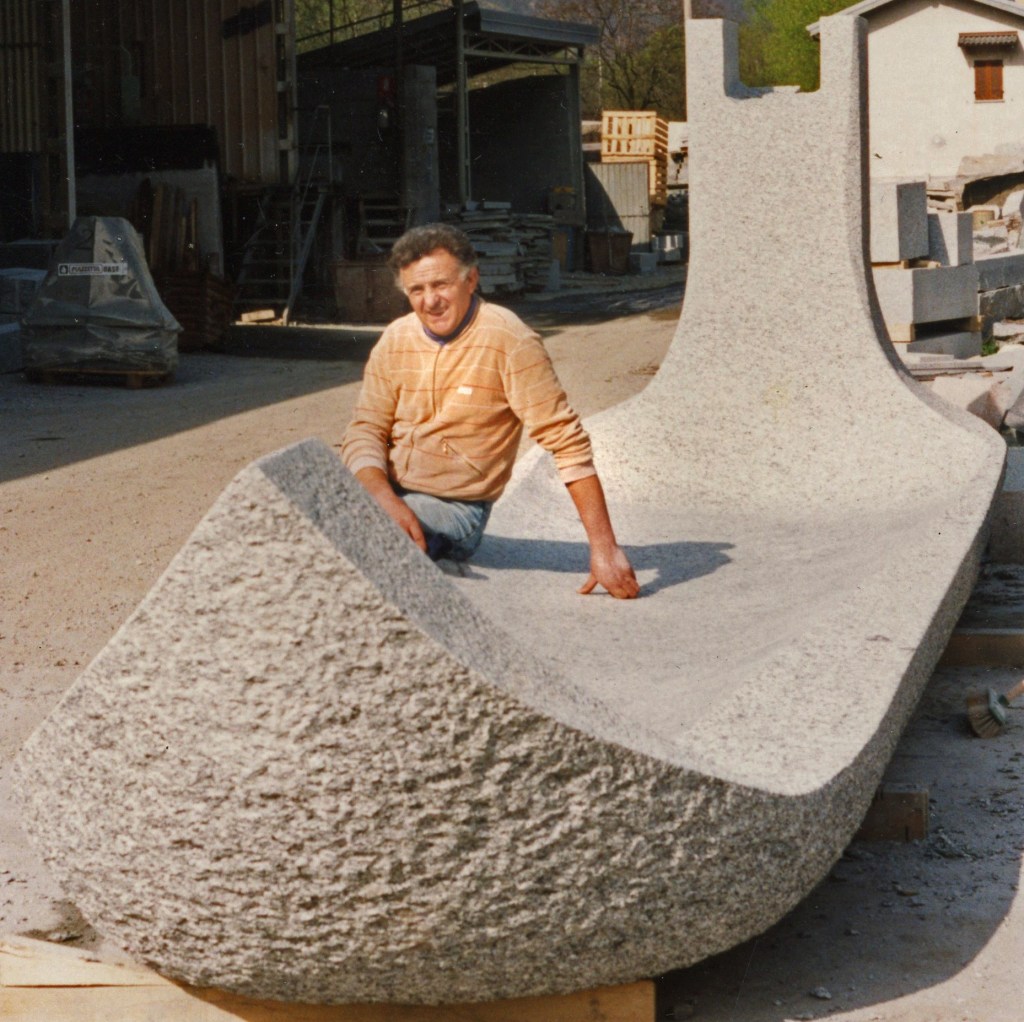

Giuseppe Lusettis Skulptur hat die Fähigkeit der Hand, die Leonardo dem Bildhauer vorwarf und womit Michelangelo stattdessen prahlte. Ein Anhänger von beiden, aber man könnte sagen, dass Lusetti nicht, wie die zwei oben genannten hervorragenden Künstler, die Malerei in Skulptur verwandelt oder umgekehrt, sondern beiden seine eigene Besonderheit hinterlässt.
Außergewöhnlich ist die Fähigkeit der Hand von Lusetti, aber auch das Gefühl der Anstrengung, so dass der Bildhauer Lusetti den Sinn des Alltags und der Arbeit in Kunst verwandelt.
Täglich wie ein Stein, den wir erkennen können, aber der nur vom Bildhauer wirklich gesehen wird; nur er kann wirklich die Stärke, die Kraft und die Würde vom Berg entnehmen.
Lusettis Skulptur ist daher eine bewegende Rückkehr des Sohnes der Natur. Dies gilt nicht nur für die berühmte “Steinkette”, die zu Ehren der Biennale von Venedig ausgestellt wurde, nachdem sie in das Guinness-Buch der Rekorde eingeführt wurde. Wenn Performance für das Guinness gilt, ist es für die venezianische Expo die metaphorische Kraft der Kunst, die verbindet, anstatt anzuketten.
Claudio Barna
 Giuseppe Lusetti